Trade shows and conferences are expensive pipeline. A booth at a major Dubai or European event can cost tens of thousands before travel, yet most teams lose value in two places: they book too few meetings before the event and follow up too slowly after it. An AI SDR helps on both ends. It researches attendees, books meetings in advance and follows up with every badge scan within hours instead of weeks. This guide shows how to use an AI SDR for events, step by step.
Where events lose pipeline
| Stage | Common problem | How an AI SDR helps |
|---|---|---|
| Before the event | Few meetings booked; generic invites | Researches target accounts attending and sends personalised invites |
| During the event | Notes lost on paper or phones | Captures scans and notes into the CRM with context |
| After the event | Follow-up takes one to three weeks | Sends tailored follow-ups within 24 hours and books next meetings |
| Reporting | No clear event ROI | Tracks meetings, pipeline and deals by event |
Before the event: book meetings early
- Build the target list: accounts from your ICP that are exhibiting or likely to attend, plus open opportunities in the region.
- Research each account: recent news, hiring and initiatives to give the invite a real reason.
- Send short invites two to three weeks before, with your booth number and two time options.
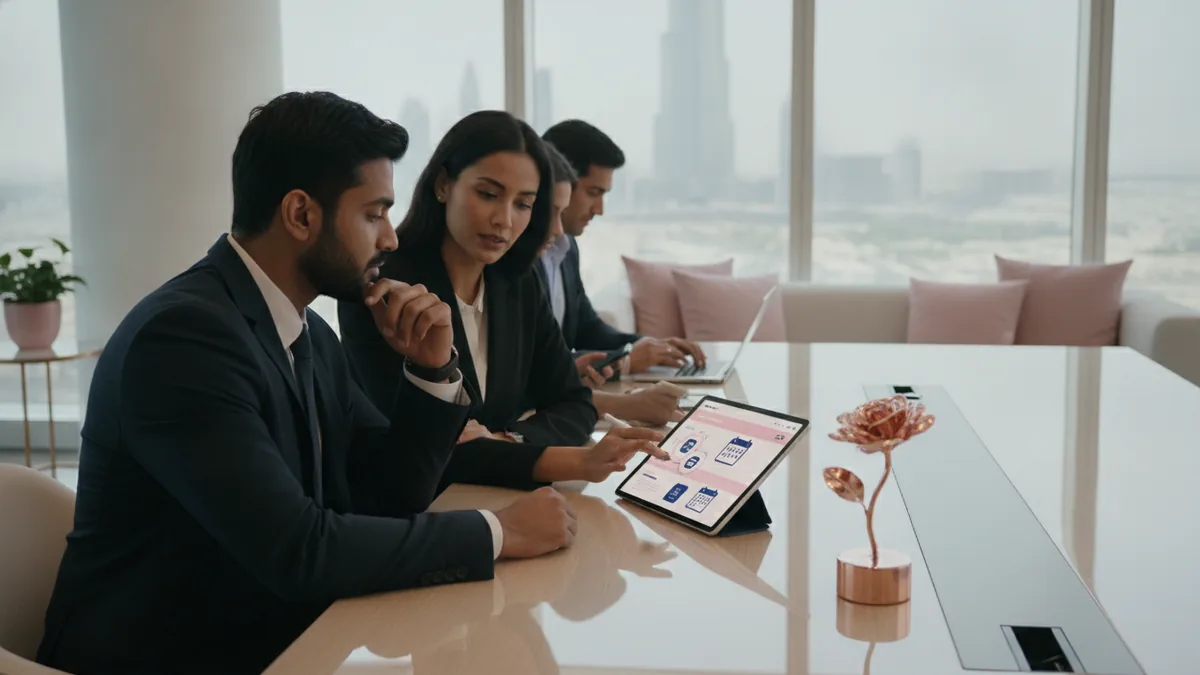
- Let the AI handle replies and book slots on reps' calendars. See AI scheduling assistants.
- Send reminders the day before with location details.
During the event: capture context
- Scan badges into one list, not scattered phones.
- Record a ten-second voice note after each conversation; the AI turns it into CRM notes and a follow-up angle.
- Tag leads as hot, warm or info-only.
After the event: follow up within 24 hours
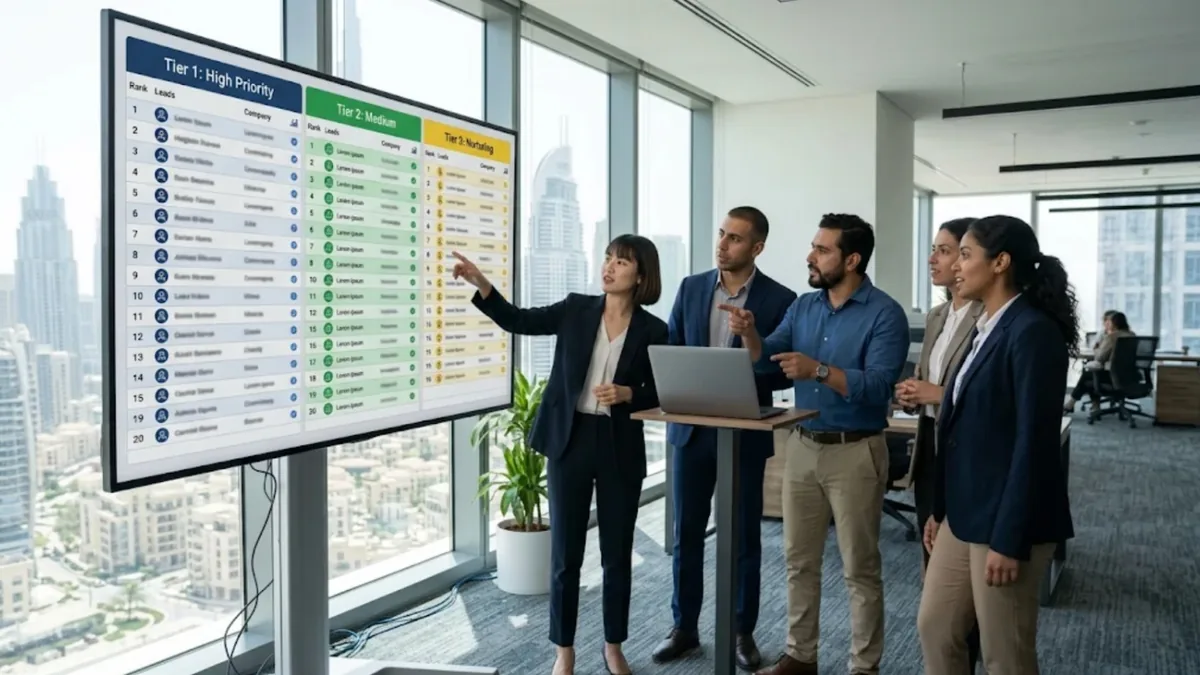
- Hot leads: personal follow-up from the rep, drafted by AI with the conversation notes.
- Warm leads: AI follow-up referencing the conversation and offering a call.
- Info-only and no-shows: a useful resource and an easy reply option, not a hard sell.
- Route replies to the right rep and book meetings automatically. Read about sales follow-up automation.
Guardrails
- Only contact people who shared details or have a clear business reason to hear from you.
- Respect opt-outs and regional privacy rules.
- Keep volumes reasonable to protect deliverability; see AI email outreach.
- Reps review hot-lead messages before sending.
Measuring event ROI
- Meetings booked before the event and held at the event
- Follow-up speed and reply rate
- Pipeline and revenue influenced within 90 days
- Cost per qualified meeting
Rosa runs pre-event outreach, captures leads and follows up with every contact quickly, with reps in control. See AI SDR vs human SDR and how to structure a sales team with AI.
Frequently asked questions
How early should we start event outreach?
Two to four weeks before the event, with reminders in the final days.
How fast should we follow up after a trade show?
Within 24 to 48 hours, while the conversation is still fresh.
Can an AI SDR replace event staff?
No. People still run conversations at the booth; the AI handles research, scheduling and follow-up.
What if we only have a badge scan and no notes?
The AI can research the company and send a relevant, low-pressure follow-up, but expect lower reply rates than for leads with notes.